

The Daily Vroom
Good Morning Vroomers,
January is always a reset. Listings are lighter. Platforms feel quieter. That’s normal. Spring and summer are when volume comes back. What matters now isn’t scale, it’s direction. Steady increases week over week are what you want to see, not fireworks. And when activity does show up in January, it’s usually more revealing. Fewer listings means clearer signals. Seller behavior stands out. Comment sections matter more. The market tells you what it’s actually paying attention to. Today’s newsletter hits all of that.
|
🛑 STOP! |
|
If you’re enjoying The Daily Vroom, then please pay it forward by sharing this newsletter with an automotive aficionado in your circles. Your endorsement allows us to accelerate our growth. Send them to thedailyvroom.com to subscribe for free. |

Fair Disclosure or Not Enough Effort?

We’ve written plenty about sellers who go above and beyond. Extra photos. Cold starts. Follow-ups no one asked for. The kind of effort that builds confidence and earns trust early.
We’ve also covered the other end of the spectrum. Seller no-shows. Defensive replies. Answers that technically respond to a question while somehow making things worse. Those auctions tend to unravel fast, and usually for obvious reasons.
And then there’s the comment section itself. A mix of serious bidders, casual observers, and a familiar group of serial non-bidders offering their two cents at full volume. Sometimes it adds real insight. Sometimes it just adds noise.
This Grand Wagoneer lands somewhere in between.
The seller isn’t hiding anything. The disclosures are extensive. Oil leaks. Smoke on startup. A sealed sunroof. A/C and 4WD listed as untested. It’s all there, clearly stated, before the auction went live.
At the same time, this isn’t a seller leaning forward to meet the market either.
The tension here isn’t about perfection. It’s about expectations. When a vehicle is described as running and driving, driven occasionally, and offered at no reserve, many bidders reasonably expect that major systems will at least be checked, even if the result isn’t ideal.
The seller’s reasoning isn’t irrational. Engaging long-dormant systems can create problems that didn’t exist minutes earlier. Anyone who’s owned an older truck understands that risk. But bidders aren’t asking for guarantees. They’re looking for signals. And tone becomes part of the auction whether anyone wants it to or not.
The comment section reaction hasn’t been especially restrained either. A few voices pushing harder than necessary. A dynamic we’ve seen plenty of times, where tension grows faster than clarity.
Meanwhile, the market is doing what it always does.
At $12,000 with strong watching and active bidding, buyers are clearly pricing in the unknowns. No one is treating this like a turnkey Wagoneer. The risk is understood. The work is assumed. The number reflects that.
No Reserve Auctions To Keep An Eye On

The 190 SL is one of those cars that lives in the shadow of something greater. Everyone knows what it isn’t. It isn’t a Gullwing. It isn’t fast. It isn’t rare in the way collectors like to flex.
And yet, it keeps showing up. Quietly. Persistently. And it keeps finding buyers.
This example explains why. Twenty-five years with one owner does something no restoration invoice ever can. It normalizes the car. The work reads like maintenance, not resurrection. Carburetors cleaned because they needed it. Rust addressed because it appeared. Not because someone was chasing a number.
That’s exactly the kind of car no reserve suits. There’s nothing here that needs defending. The seller isn’t promising perfection or hiding behind marketing language. Minor flaws are stated plainly. Documentation exists, but it’s not weaponized. Matching numbers are answered without bravado. The tone stays calm.
And that’s the point. No reserve exposes cars that rely on hype. But it rewards cars that rely on credibility. A 190 SL doesn’t win on drama. It wins on proportions, usability, and the kind of ownership story that suggests it was enjoyed rather than optimized.
This isn’t a car you buy to explain. It’s one you buy to drive, park, and live with. And when a seller understands that, no reserve stops being a gamble and starts being a filter.
If that doesn’t come through in the listing, the market will find it anyway.
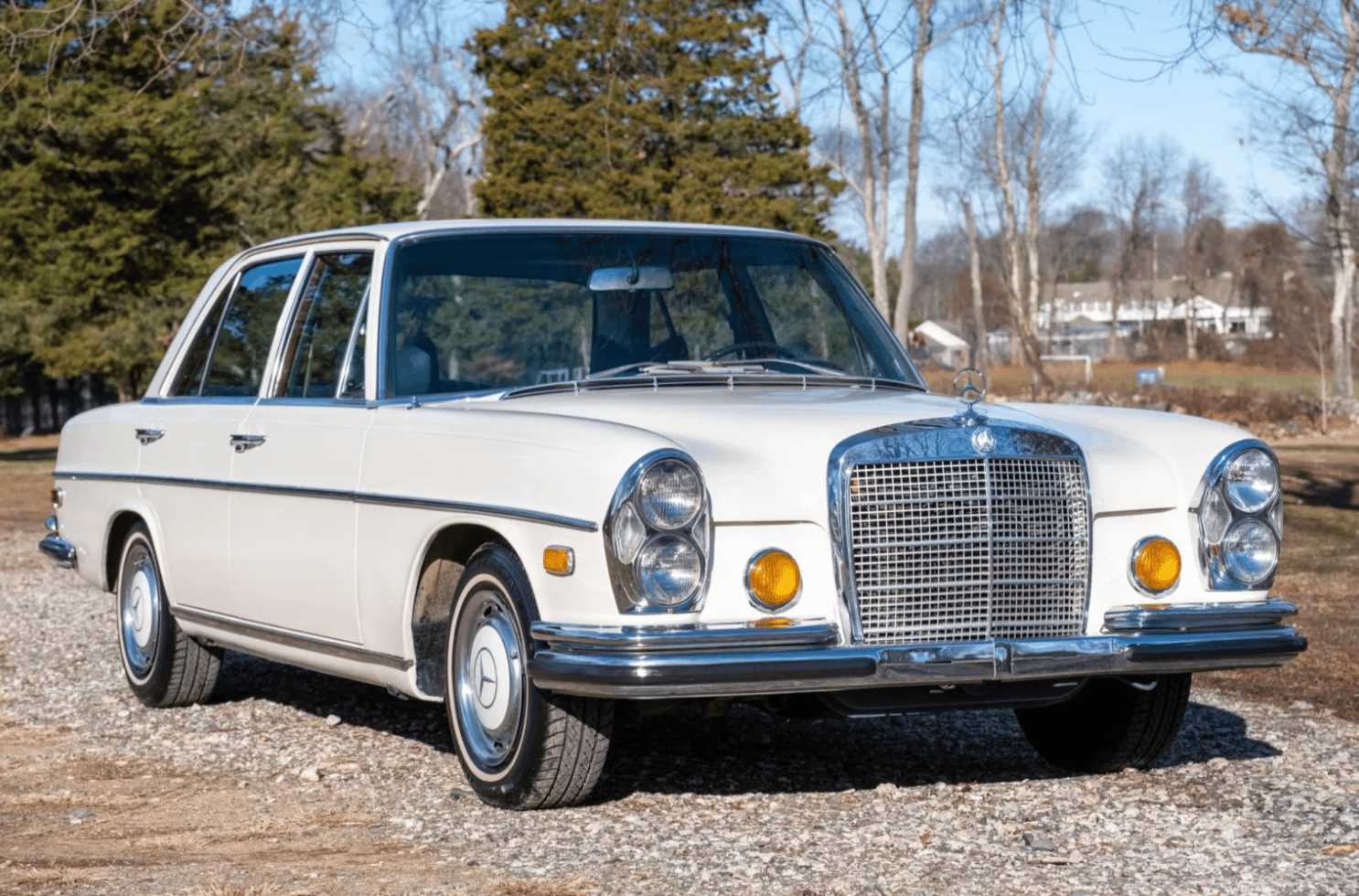
This 280SE 4.5 has one of those comment sections that does half the work for you.
Not because anyone is arguing. Quite the opposite. It’s because the car has history that refuses to stay quiet.
A former owner pops up and casually drops the kind of line every bidder notices. He bought the car years ago, sold it at Bonhams (for $6,600), and has regretted it ever since. Same ZIP code. Same town. Watching the auction unfold in real time. Now trying to get it back.
That’s not hype. That’s context. It also explains the tone of the bidding. This isn’t speculation. It’s familiarity. People in the comments aren’t asking what these cars are like in theory. They’re sharing what it felt like to live with one. Long highway trips. Daily-driver duty. The sound. The view over the hood. The way these sedans quietly keep up with modern traffic.
The seller helps that along by doing something simple and increasingly rare. Answering questions thoroughly. Posting extra photos without being prompted. Acknowledging flaws without deflecting. Even pointing out work he wasn’t thrilled with so no one has to discover it later.
The result is an auction that feels grounded. No chest-thumping. No defensiveness. Just a car with a paper trail, an emotional trail, and a comment section full of people who clearly get why these W108 4.5s stick with you long after you let one go.
Sometimes that’s all it takes to turn a listing into a conversation.
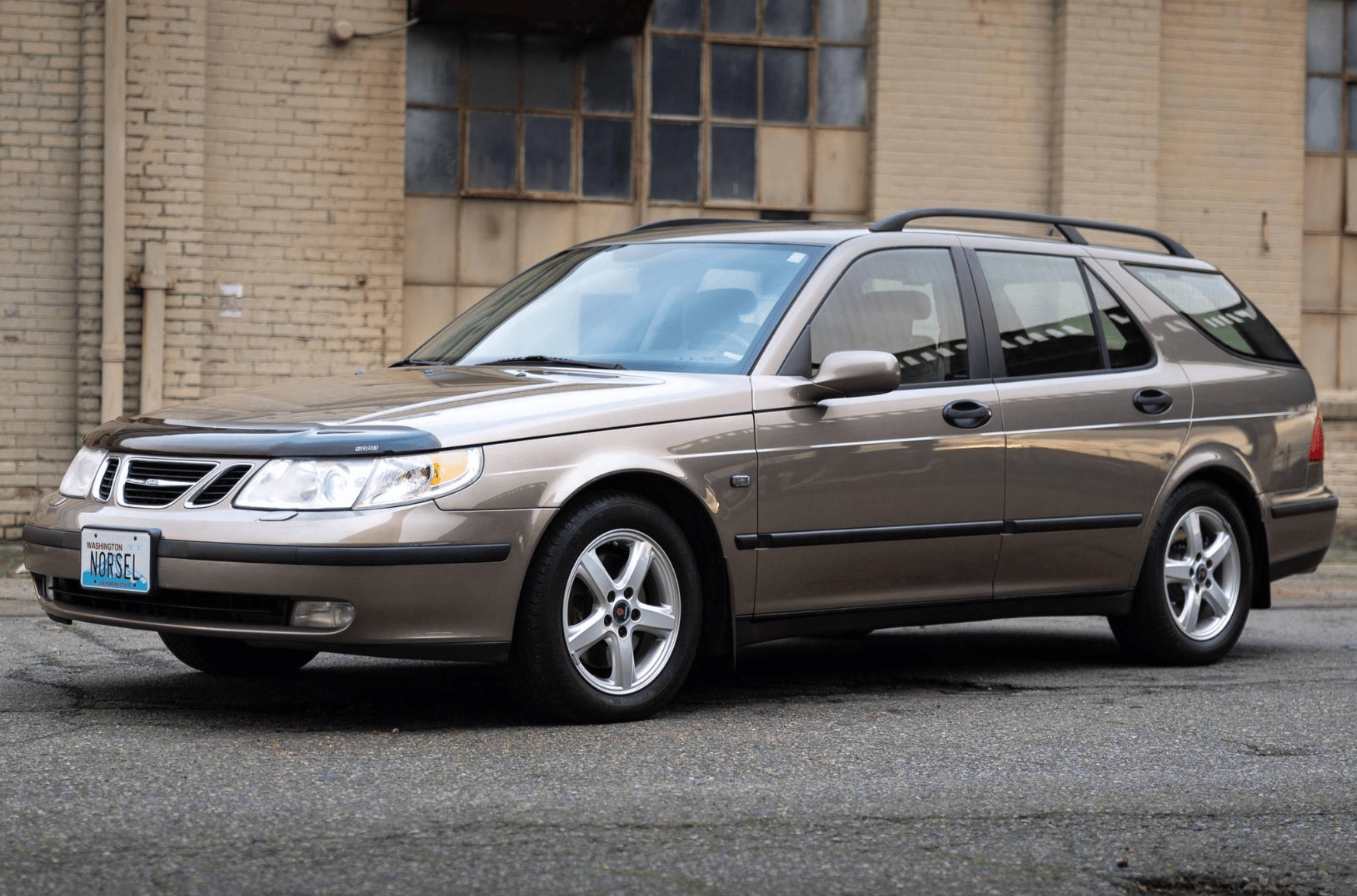
This one hits a few familiar nerves for me right away. A proper wagon. Early-2000s European. From a brand that always did things slightly sideways.
The 9-5 wagon was peak Saab contradiction. Conservative shape, quietly weird details. Ventilated seats years before most people even knew that was a thing. A turbo V6 that never got the love it deserved because it didn’t fit the “quirky four-cylinder Saab” stereotype. And a cabin that feels engineered, not styled.
The comments pick up on that immediately. Less speculation, more lived experience. People remembering these as daily drivers. Grocery wagons. Highway cruisers that didn’t feel old at speed. That’s usually a good sign.
There’s also a lot of appreciation for how unchanged this one is. No tuner phase. No “Saab guy went too far.” Just small period tweaks and basic care. That matters with cars like this, where originality is more about restraint than preservation.
And then there’s the meta moment at the end. A mini side-discussion about whether Doug actually writes every Doug’s Take himself. Maybe he does. Maybe he doesn’t. Thirty-plus cars a day is a lot. But honestly, the idea that Cars & Bids might use AI trained in Doug’s voice feels… very Doug. Practical. On-brand. Slightly self-aware.
Which fits this Saab, actually.
A wagon for people who like cars that don’t shout, don’t chase trends, and don’t need explaining to the right audience. The comments reflect that. This isn’t nostalgia cosplay. It’s recognition.