

The Daily Vroom
YESTERDAY’S TOP 3 SALES
Interestingly, the Lamborghini below shows two bidders at the exact same high bid. It’s not immediately clear how that happens or what ultimately determines which one actually wins.
Want to dive deeper into any of these listings? Just click on the car to take you directly to the listing.

2007 Lamborghini Murciélago LP640 $778,000 (41,577)
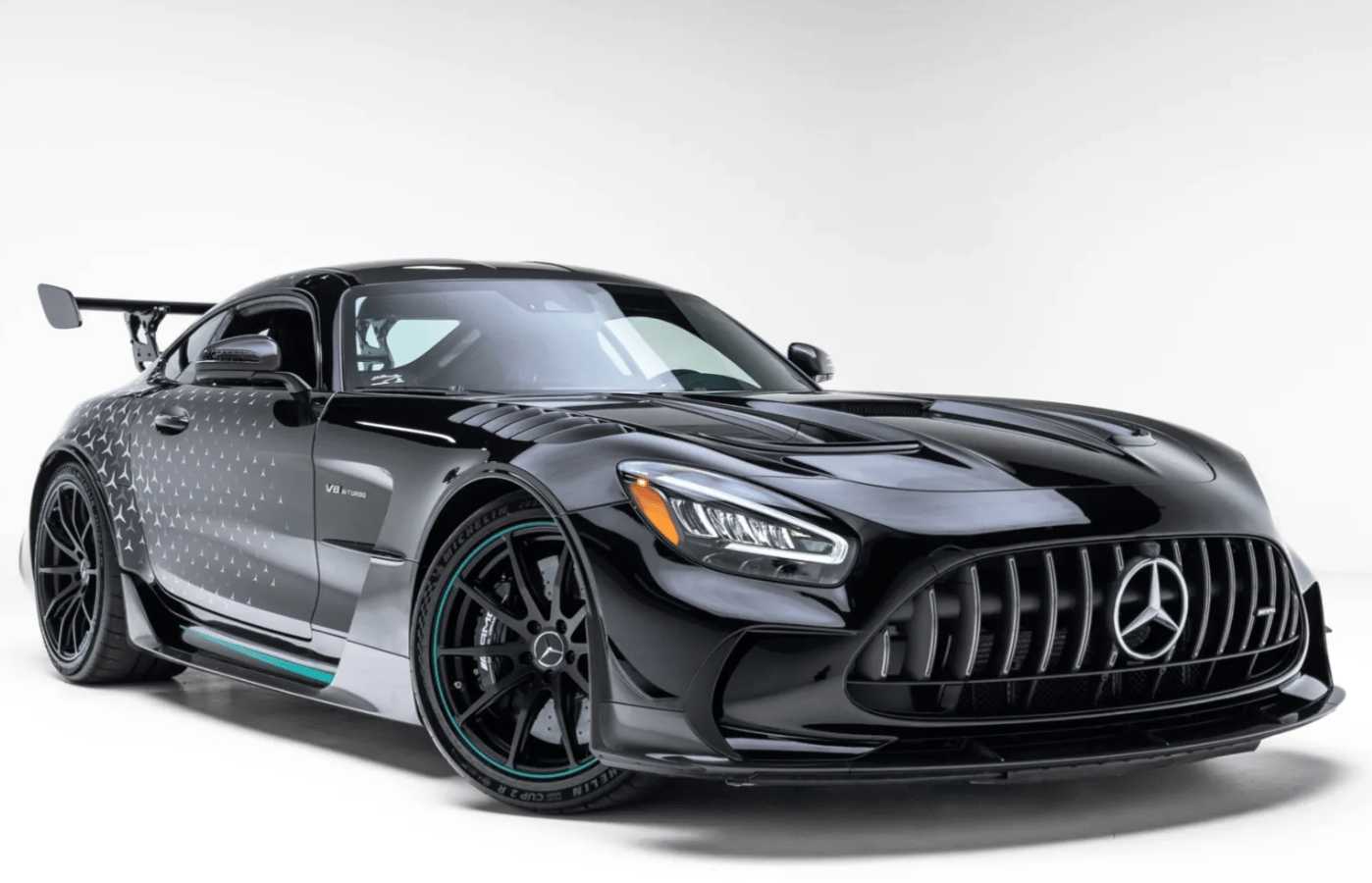
2021 Mercedes-AMG GT Black Series P One Edition $705,000 (47 miles)
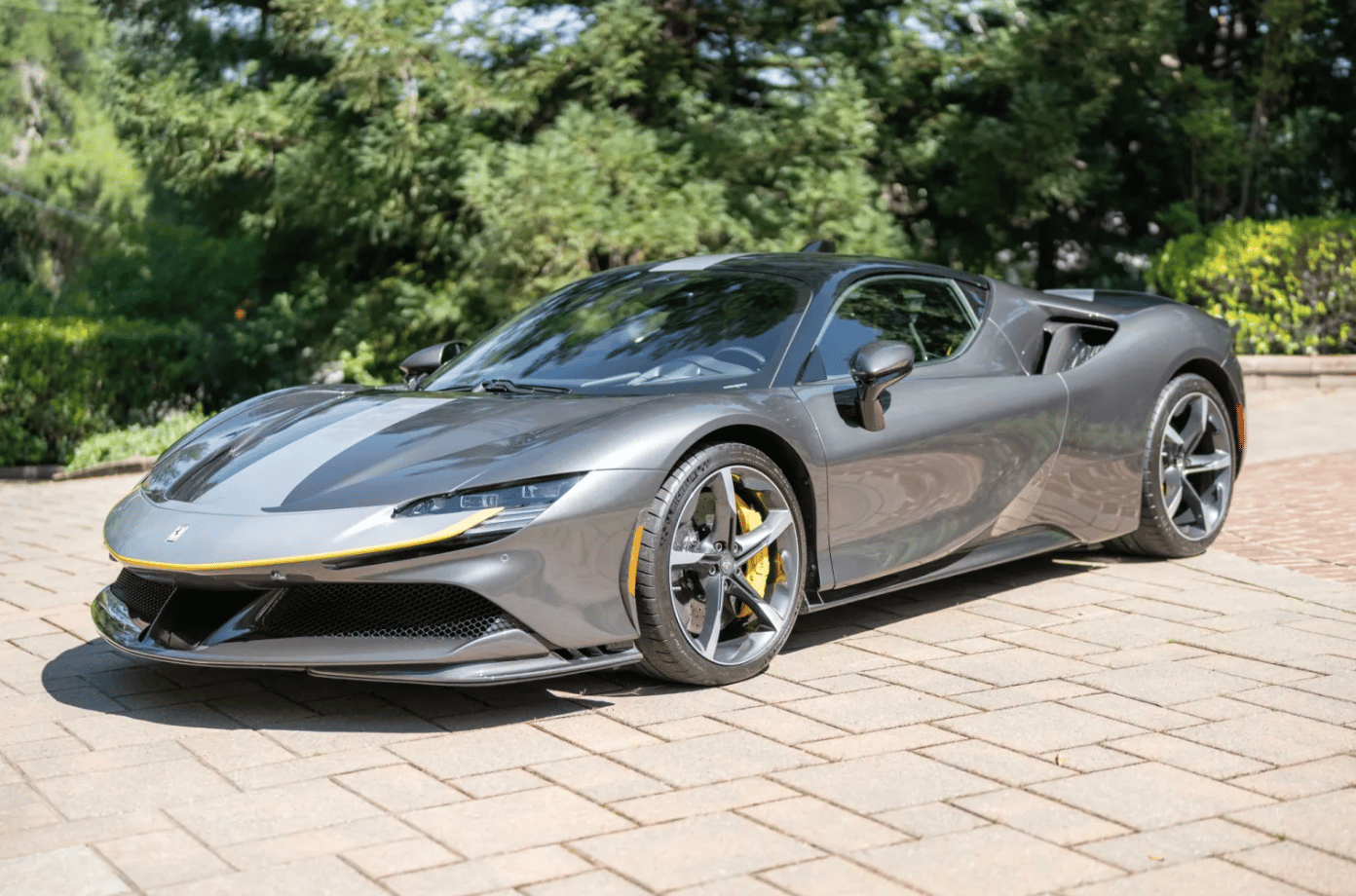
2021 Ferrari SF90 Stradale Assetto Fiorano $416,500 (3,800 miles)

This R32 Looks Complicated. It’s Not.
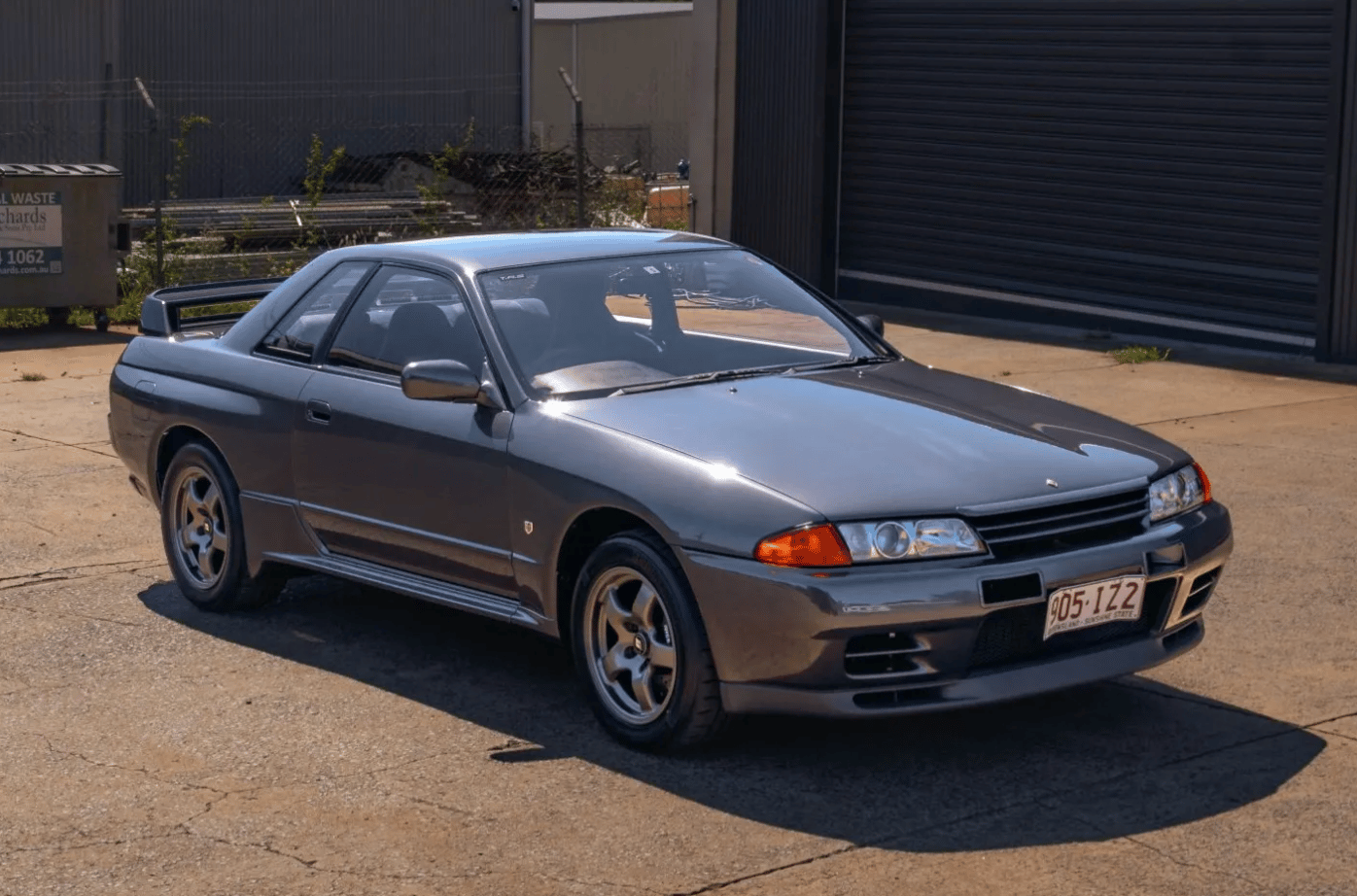
This is exactly the type of car I used to ignore completely.
A 12k-kilometer R32 GT-R NISMO, one of 560 built, sitting in Australia. Years ago, I wouldn’t have even clicked into the listing. Australia just felt too far, too complicated, and automatically too expensive to bother with.
And to be fair, sometimes that instinct isn’t wrong.
But as I got deeper into this market, you realize importing isn’t one thing. Different rules for different cars, different years, different outcomes. Some cars look cheap and end up being a headache. Others, like this, actually work.
This one qualifies under the 25-year rule, which does most of the heavy lifting. No compliance headaches, just duty, shipping, and getting it through the port.
So instead of guessing, I ran it through our import calculator.
Assume this ends somewhere around $55K. That puts the total landed cost right around the low 60s. Roughly a $7K delta all-in to get it here.
Here’s what that actually looks like:

That’s the part most people get wrong. The default assumption is that something like this carries a 25 to 30 percent penalty just because it’s overseas, especially from somewhere like Australia. In reality, when the car qualifies and the process is straightforward, the gap is a lot tighter than that.
Now, this isn’t a fixed number. Every importer prices things slightly differently, ports add their own quirks, and small details can move the total around. It’s an estimate, not a guarantee.
But it’s close enough to actually make decisions with.
The current bid is sitting at $46K. If you’re thinking about it, don’t focus on that number in isolation. Work backwards from your all-in. If you’re comfortable in the low 60s landed, your max bid is mid-50s. If you want more cushion, adjust accordingly.
You’re not bidding on the car, you’re bidding on your landed number.
And once you look at it that way, this stops being “an Australian car that’s probably too complicated” and becomes a normal question. Do you want a 12k-kilometer NISMO at that price, and where does that sit relative to the rest of the market?
Because the car itself is exactly what you’d want. Low mileage, real NISMO chassis, long-term ownership in Japan, and all the details that matter. No ABS, no AC, no radio, the steel-wheel turbos, everything that makes these feel like proper homologation cars rather than just another R32.
Auctions To Keep An Eye On
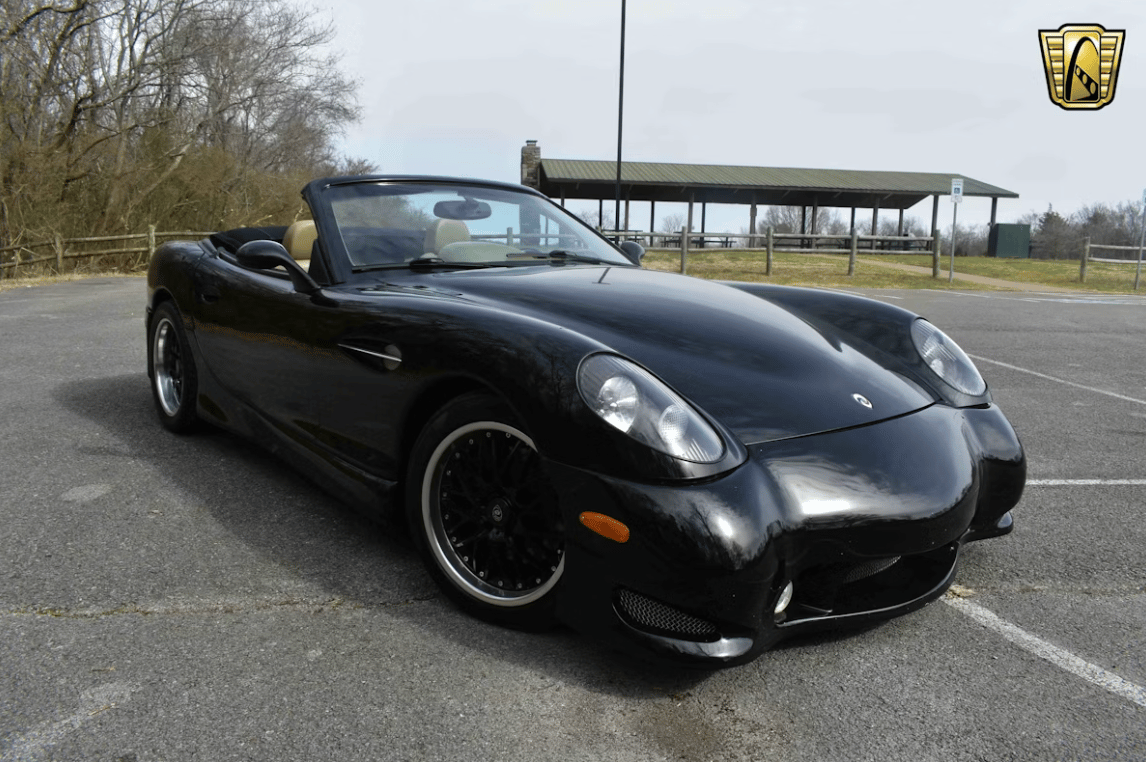
This is one of those listings where the headline pulls you in, but the details decide everything.
A 2005 Panoz Esperante GTLM Convertible. One of four. Cars like this don’t show up often, and they almost never come up at public auction. Most of the ones I’ve seen trade are quieter deals, usually lower-mile examples.
And when they do, they’re not cheap. Think around ~$80K for the cleaner cars.
So this one immediately sits in a different lane.
The GTLM story is real. Panoz actually showed up and beat serious competition, and the car reflects that. Supercharged V8, manual, lightweight construction. It’s a serious piece.
But this example makes you think a bit more. 67k miles isn’t nothing, especially at this level. It’s not trying to be a preserved, top-of-market example, and that matters. Same with the convertible. Being one of four sounds great, but it’s not automatically the most desirable version for a car like this.
So now you’re weighing it properly. Rarity vs mileage. Story vs spec. Opportunity vs who the next buyer is.
Because that’s really what this comes down to. Not something you see often enough to ignore, but not a layup either.
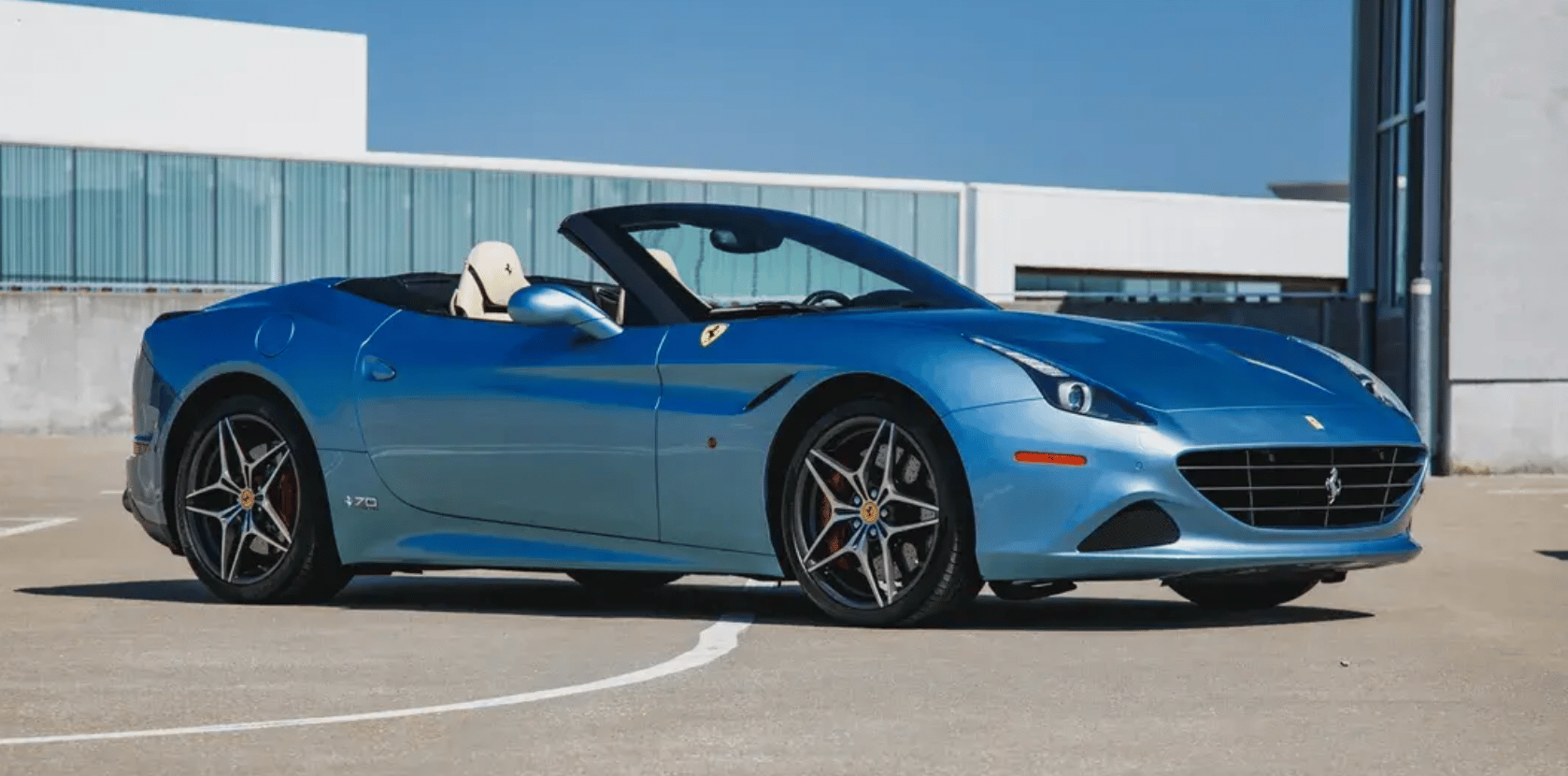
This is one of those Ferraris that looks far more important on paper than it tends to be in the real world once you start thinking it through properly.
It’s a 2017 California T built through Ferrari’s 70th Anniversary Tailor Made program, finished as a one-off spec inspired by the 550 Barchetta, with a huge original MSRP and an even bigger list of options that clearly mattered a lot to the person who commissioned it.
And that’s really where the story starts to shift, because Ferrari produced a surprising number of these “one-of-one” cars through Tailor Made, and the whole point of the program was to give buyers the ability to create something unique, not necessarily something that the broader market would universally want later on.
Sometimes that works in your favor when the spec lands and feels cohesive in a way that enhances the car, and sometimes it just narrows the audience because you’re effectively inheriting someone else’s taste rather than buying into a configuration the market has already validated.
This one sits somewhere in the middle, where the inspiration is strong and the execution is clean, especially with the Azzurro over cream combination, but it still requires you to look past the story and think about what the car actually is underneath it all.
Because at its core, it is still a California T, and that matters more than the plaque or the program it came out of, since the market for these cars has always been defined by their usability and positioning rather than by rarity or exclusivity.
So what you’re really deciding here isn’t whether the car is unique, because it obviously is, but whether that uniqueness actually adds something meaningful for you, or whether it simply makes the car more specific and therefore more dependent on the next buyer seeing it the same way.
That’s always the trade with these Tailor Made cars, and it’s why they can be interesting without necessarily being straightforward.

IThis is one of those builds that sounds incredible on paper, but the more you think about it, the more you realize how differently the market actually treats cars like this.
It’s a 1970 Camaro with a 540ci V8, a Tremec five-speed, a full custom chassis, upgraded suspension, and essentially everything you’d want if the goal was to build something fast, usable, and modern without losing the look of a classic muscle car. From a driving standpoint, it’s probably better than any stock example you could find, and that’s clearly what the build was aiming for.
Where it gets interesting is how that translates, or more accurately doesn’t translate, once the car hits an auction setting.
Because once you move this far away from stock, you’re no longer really in the traditional collector market, but you’re also not fully in the modern performance world either, which leaves these cars in a bit of an in-between space where they make perfect sense to the person who built them, but require the next buyer to agree with every one of those decisions.
The engine is a good example of that, because a 540ci V8 sounds impressive and it is, but it’s not original, not period-correct, and not something the typical buyer looking for a 1970 Camaro is necessarily prioritizing, especially when the rest of the car follows that same philosophy of being built rather than preserved.
That’s always the trade with builds like this, where everything that improves the car from a driving perspective tends to narrow the audience from a buying perspective, since you’re no longer asking someone to appreciate the car for what it is, but for what someone else decided it should be.
And that’s why cars like this don’t follow the normal rules, because you’re not really valuing the parts, the labor, or even the performance in isolation, you’re valuing how closely this specific combination lines up with what the next buyer would have done themselves.
Enjoying The Daily Vroom?
Pay it forward by sharing this newsletter with an automotive aficionado in your circles. Your endorsement allows us to accelerate our growth.
Send them to thedailyvroom.com to subscribe for free.